
Most parents ask this the moment their kid starts learning to drive: how many lessons will it actually take? Most driving school pages dodge it completely or offer a vague “it depends.” How many driving lessons NSW learners actually need has a clear answer once you understand what goes into it.
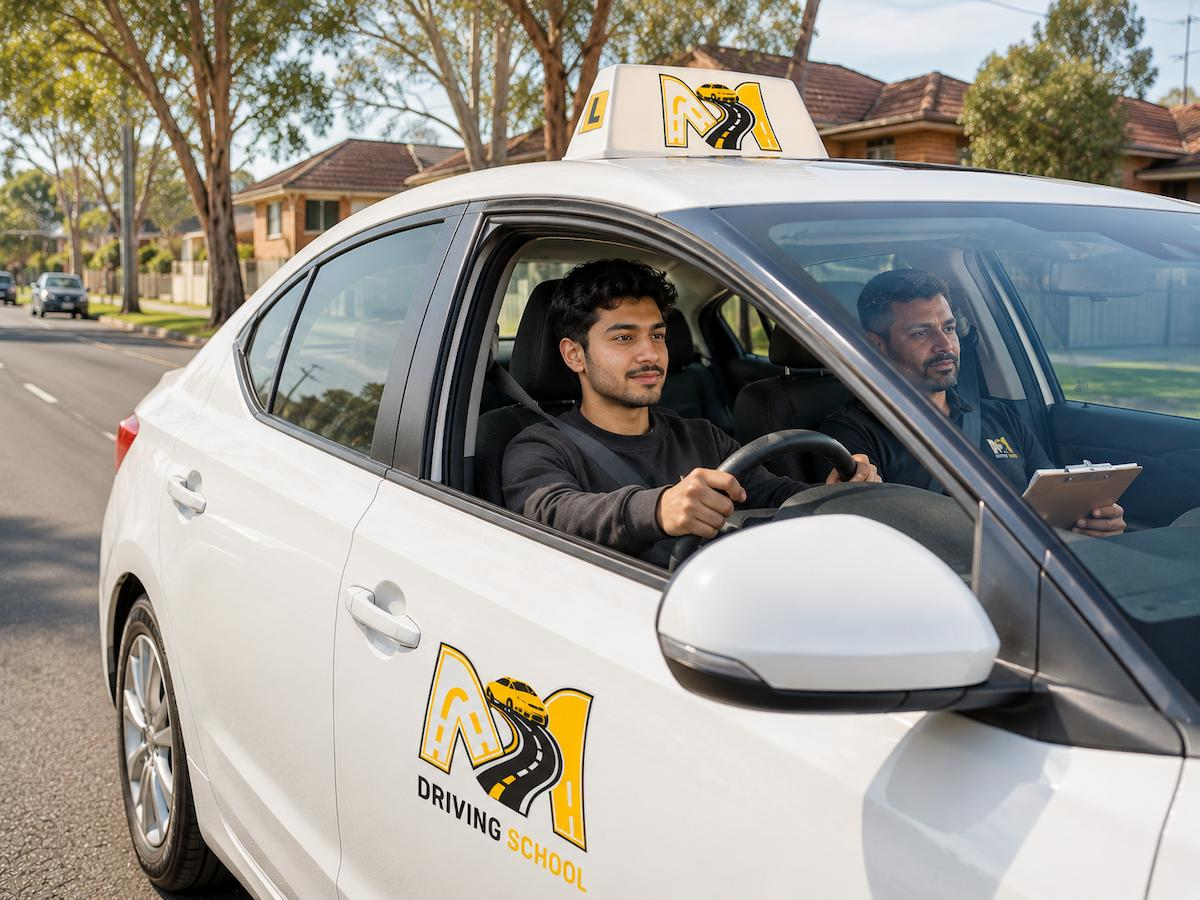
A driving lesson, in this context, means structured time with a licensed instructor in a dual-control vehicle. It works toward specific skills, not just general practice. That distinction matters more than people realise when they’re trying to work out a real number.
Here’s what this guide covers:
- What most learners actually need
- How NSW’s logbook rules change the maths
- What affects your personal number
- How to know when you’re genuinely test ready
How Many Driving Lessons NSW Learners Actually Need
Most learners need somewhere between 20 and 30 hours of professional instruction. That’s on top of their required logbook hours. The real number depends heavily on how much supervised practice you’re getting outside of lessons.
That range isn’t arbitrary. It reflects how long it typically takes to move from basic vehicle control to confident, independent decisions in traffic. Some people argue a good driver could get there in half that time. For a small number of learners with lots of prior practice, that’s fair. For most first-time learners, rushing the number tends to show up as hesitation on test day.
How NSW’s Logbook Rules Change the Number
NSW requires learners under 25 to log 120 supervised hours, including 20 at night, before they can sit their test. This applies alongside professional lessons, not instead of them.
The part most people miss is the 3-for-1 rule. One hour with a licensed instructor counts as three logbook hours, capped at 10 lessons or 30 hours total. That’s a genuine shortcut if you’re time poor. NSW Parliament records show P1 driver fatalities dropped 45% after the state introduced the 120-hour logbook rule. That’s the actual reason behind the requirement, not red tape for its own sake.
A quick summary worth remembering: the 120 hours covers general practice. Professional lessons cover the specific skills a parent usually can’t teach as well, like hazard perception and structured test-route familiarity.
What Changes How Many Driving Lessons You Need in NSW
Your own number of driving lessons in NSW depends on a handful of specific factors, not a single fixed rule. Being honest about these upfront saves learners both time and money.
A few things that genuinely move the number:
- How much supervised practice you’re getting outside of lessons
- Whether you’re learning automatic or manual, since manual usually needs a few extra hours for clutch control
- Your comfort level with traffic-heavy areas versus quiet suburban streets
- Nerves and confidence, which genuinely affect how fast skills settle in
- Whether you’ve booked lessons close together or spread thin, since gaps slow progress
From our own instructor observations at M Driving School, learners who book weekly rather than sporadically need noticeably fewer total hours to reach the same standard.
Structured Lessons vs Just Logging Hours
Structured lessons and simply logging supervised hours with a family member aren’t interchangeable. Both count toward the same 120-hour requirement in NSW, but they don’t build skill the same way.
A structured lesson plan builds skills in a deliberate order: control basics, then hazard response, then test-route specifics. General practice with a parent tends to reinforce whatever habits already exist, good or bad. Some people argue logging hours with family is “free,” and lessons aren’t necessary at all. That’s technically legal, but it usually means learners need more total hours to reach the same confidence a structured plan builds faster.
Want a clearer picture of what a structured plan actually looks like for your situation? See our current lesson packages and how they’re structured.
Signs You Can Stop Counting Driving Lessons
Being test-ready in NSW means you consistently handle the specific skills your test route will assess. It’s not just about feeling generally comfortable behind the wheel. This is usually the point where learners stop asking how many driving lessons they need and start booking their test.
A few honest signs worth checking for before you book:
- You can complete a full mock test without instructor prompting
- Roundabouts and lane changes feel routine, not stressful
- You consistently check mirrors and blind spots without being reminded
- Reverse parking doesn’t take multiple attempts
- You can drive your actual test route confidently, not just similar roads
For a closer look at where learners commonly lose points, check our guide to common driving test mistakes NSW learners make.
FAQ
How many driving lessons do most people need in NSW?
Most learners need around 20 to 30 professional hours on top of their required logbook hours. This varies by individual progress and outside practice.
Do I need 120 logbook hours even if I take lessons?
Yes, the 120-hour requirement applies alongside professional lessons. The 3-for-1 rule lets instructor hours count as three logbook hours each, up to 30 hours.
Is it better to take lessons weekly or spread them out?
Weekly lessons tend to work better. Consistent practice helps skills settle in faster than long gaps between sessions.
Can I rely only on family supervised hours instead of lessons?
Legally, yes. But structured lessons usually get learners to test-ready confidence faster, since they build skills in a deliberate order.
How do I know I’m actually ready for my test?
You should complete a full mock test without prompting. You should also handle your actual booked test route with confidence, not just similar roads.
Conclusion
How many driving lessons you need in NSW comes down to your starting point, how consistently you practise, and whether those hours are structured or general. Most learners land somewhere around 20 to 30 professional hours. The honest answer is always personal. Ready to find out where you actually stand? Get in touch with M Driving School, and we’ll help you map out a realistic plan.
One Response